💥 AI draws. Your kid writes.
The AI comic maker where kids write the words
Pick a hero, pick a style, and the cover appears. Then every page arrives with speech balloons your child can retype, drag, and make their own. Four pages. One cliffhanger they choose.
Start a comicComics kids have written
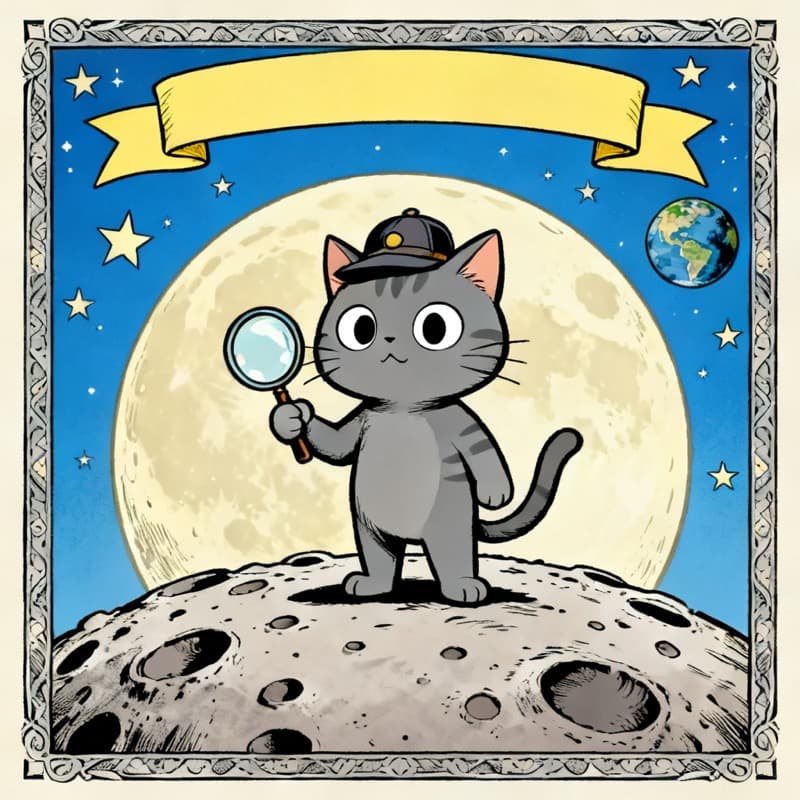
"My cat is a detective on the moon"
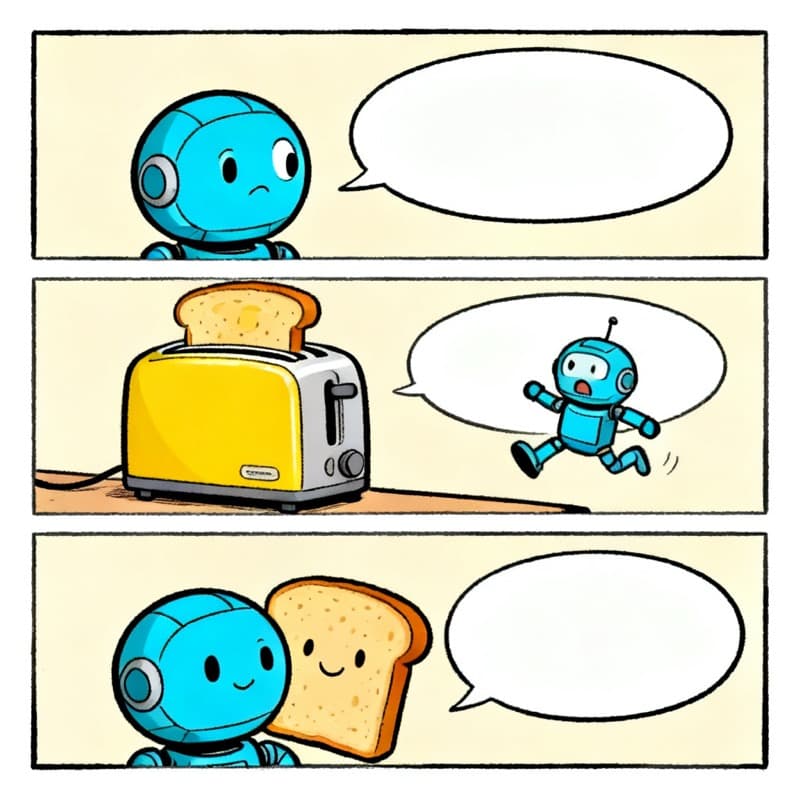
"A robot who is scared of toast"
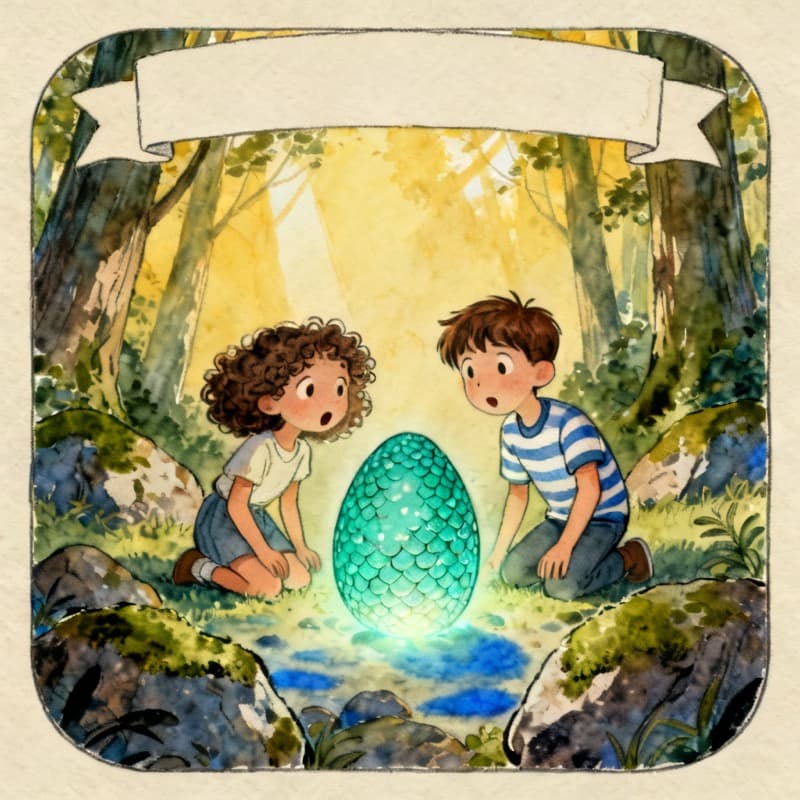
"Two best friends find a dragon egg"
How it works
Pick a hero and a style
A detective cat. A toast-fearing robot. Cartoon, claymation, comic, crayon — your kid chooses the look, then the cover appears.
The AI draws. Your kid writes.
Every page arrives with speech balloons already in place — pre-written, fully editable. Retype them, move them, make them theirs. The pictures stay; the words are the child's.
End on a cliffhanger they pick
Four pages, then a choice — and volume two starts from that ending. Comics save to the gallery, ready to read, print, or share to a Space a grown-up moderates.
The kid is the author, not the mascot
Most kids' comic tools star your child as the superhero. Kidgeni stars your child's words. The AI is the artist; the writer is eight.
Balloons they can actually edit
Not a locked script. Every balloon can be rewritten, moved, or tossed for a silent panel. That's the literacy part, disguised as a comic.
A series, not a one-shot
Each volume ends on a cliffhanger the child chooses, so tomorrow's comic is a sequel they already care about.
Print it, read it, bring it to class
Finished comics can be read on screen, printed at home, or shared to a family or classroom Space. Private by default.
Built safe for kids, run by grown-ups
COPPA-conscious by design
A parent, guardian, or teacher creates and controls every account. Kids sign in with a username and PIN — never an email.
Every creation moderated
AI safety checks screen every prompt and every generated image, story, and comment before a child sees it.
No stranger chat
No direct messaging, ever. Sharing happens only in family or classroom Spaces a grown-up owns and moderates.
Questions parents ask
How does an AI comic maker for kids work?
The child picks a hero and a style. Kidgeni generates a cover and illustrated panel pages, and every speech balloon arrives pre-written but editable — the AI draws, the child writes. Each four-page volume ends on a cliffhanger the child chooses, and text and pictures both pass a kid-safety check before anything appears.
Is this different from other kids' comic generators?
Yes. A lot of comic apps make a book starring your child. Kidgeni makes a comic written by your child. The pictures are generated; the dialogue is theirs to rewrite, move, or throw away.
What ages is the comic maker for?
Kidgeni is designed for children roughly ages 5–12. Younger kids can speak the lines and edit balloons with a grown-up in the chair; older kids write more independently inside the account their grown-up manages.
Can we print the comic?
Yes. Finished comics can be read on screen, printed at home, or shared to a moderated family or classroom Space. They stay in the child's gallery, and the next volume picks up right where the cliffhanger left off.
Does making comics with AI hurt creativity?
The hard part of a comic is the blank balloon. Kidgeni fills the art so the child can do the writing: every line, every rewrite, every cliffhanger choice. The storytelling decisions stay with the kid.
How much does the comic maker cost?
Comics are part of Kidgeni's paid plans — Magic Maker ($9.99/month USD) and Magic Master ($19.99/month USD) — where pages spend Sparks from the monthly allowance. A free account (with 500 Sparks a month) lets your kid start right away with art, stories and coloring pages, and you can unlock comics whenever they're ready.
Can we use this in a classroom?
Yes. Teachers run Kidgeni as classroom Spaces: students join with a class code — no student emails — and the teacher owns the roster and the feed. It fits a single class period, and the literacy standard it exercises is dialogue.
More ways to create
The AI draws. Your kid writes.
Four pages tonight. A sequel tomorrow. Set up the account free — no kid emails, ever.