Safety review
Is ChatGPT Safe for Kids?
Published August 18, 2026 · By the Kidgeni team
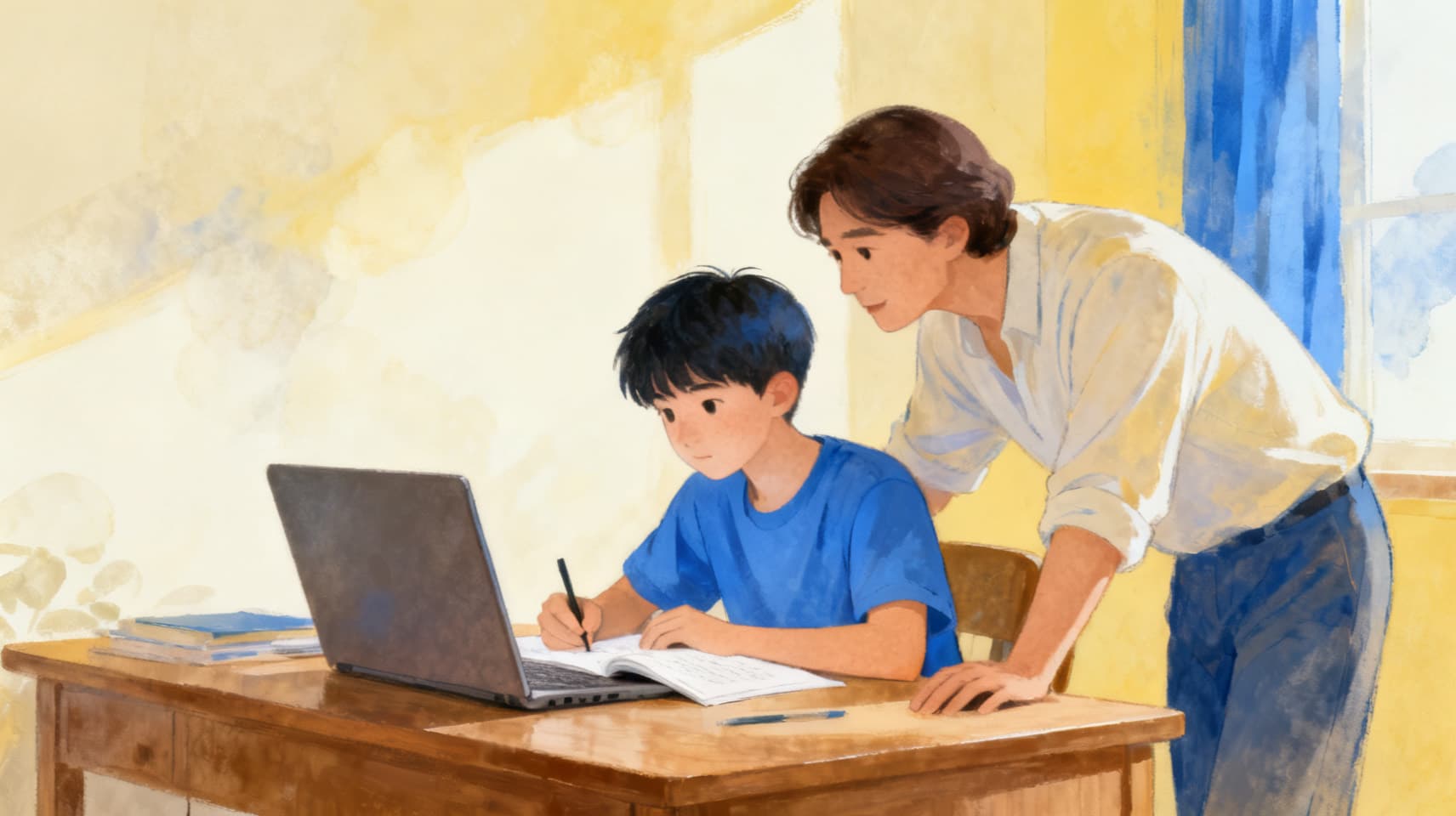
ChatGPT is not for children under 13 — OpenAI's own rules prohibit it, though there is no hard age verification stopping a curious nine-year-old from signing up. For teens 13–17, it can be reasonably safe if a parent links accounts and enables OpenAI's parental controls; without them, a teen gets an adult product with adult defaults. It is a homework-and-questions tool, not a kids' product.
The age rules, plainly
OpenAI's terms require users to be at least 13, with parental permission up to 18. But signup does not verify age — the practical gate is your household's rules, not OpenAI's. If ChatGPT is on a shared device, assume your under-13 can reach it.
What the parental controls actually do
OpenAI shipped parental controls for teen accounts: a parent links their account to the teen's, and can then set quiet hours, turn off image generation and voice, opt the teen out of model training, and receive safety alerts — including, since a July 2026 expansion, notifications in additional situations where a teen may urgently need adult support.
Know the boundary: parental controls do NOT let you read your teen's conversations. There is no transcript access and no real-time monitoring — by design, for teen privacy. If your family rule is 'I can see what you do online,' ChatGPT's controls won't implement it for you.
The real risks, ranked honestly
- Unverified age: nothing technical stops under-13 signups — supervision is on you.
- Confident wrongness: ChatGPT states errors with the same fluency as facts; kids calibrate to confidence, so teach 'check it' early.
- Data by default: conversations may be stored and used for training unless settings say otherwise; the teen-account training opt-out is a parent control worth flipping.
- Emotional use: ChatGPT is not a companion app, but a lonely teen can use anything like one. Watch the pattern, not just the product.
- Content edges: filters are good and improving, but a determined teen can steer around guardrails — controls reduce, not eliminate.
A sensible family setup
- Under 13: not ChatGPT. If they're curious about AI, use kid-built tools or explore together on your account, hands on the keyboard yours.
- 13–15: linked accounts, parental controls on, training opt-out on, image generation off to start, and ChatGPT lives in shared spaces of the house.
- 16–17: keep the account link and safety alerts; loosen the rest as trust earns it.
- Everyone: agree on what ChatGPT is for (drafting, explaining, quizzing) and what it isn't (therapy, secrets, a friend).
Where Kidgeni fits — and where it doesn't
For a teen doing research and essays, ChatGPT with controls is the right kind of tool, and Kidgeni is not a substitute — we build creative tools for ages 5–12, not a homework assistant. Where families do swap one for the other is younger kids who want to MAKE things with AI: for that, a moderated, grown-up-owned creative studio beats an adult chatbot with the age field fudged.
Questions parents ask next
Can my 10-year-old use ChatGPT with me sitting there?
Side-by-side on a parent's account, as a look-what-this-does exploration, is the low-risk way to satisfy curiosity — you hold the keyboard and the judgment. Handing them their own access is what OpenAI's rules (13+) and the product's adult defaults argue against.
Can I read my teen's ChatGPT chats?
No. OpenAI's parental controls deliberately exclude transcript access — you can shape settings and get safety alerts, but not read conversations. Families who want content visibility need a house rule, not a toggle.
Does ChatGPT train on what my kid types?
By default, conversations can be used to improve models. On a linked teen account, parents can opt the teen out of model training — one of the first switches worth flipping.
Is ChatGPT safer than Character.AI for a teen?
They're different categories. ChatGPT is a general assistant with parental controls and no persona designed for attachment; Character.AI's core product was open-ended companion chat, which it has now banned for minors outright. For most families, an assistant with controls is the easier thing to supervise.
Sources
Researched August 18, 2026. Products change; we re-check and re-date this article when they do.
Too young for ChatGPT, hungry to create?
Kidgeni is the AI studio built for ages 5–12: moderated end to end, owned by you, loved by kids.